In December, the average electricity price in Latvia stood at EUR 83.85/MWh, representing a 25% decrease compared to November. This was the lowest average price recorded since August 2025. The lowest daily price in December was observed on 27 December, reaching EUR 1.55/MWh, while the highest daily price peaked at EUR 198.63/MWh on 1 December.
What drove electricity price developments?
Wind brings lower electricity prices across the Baltics.
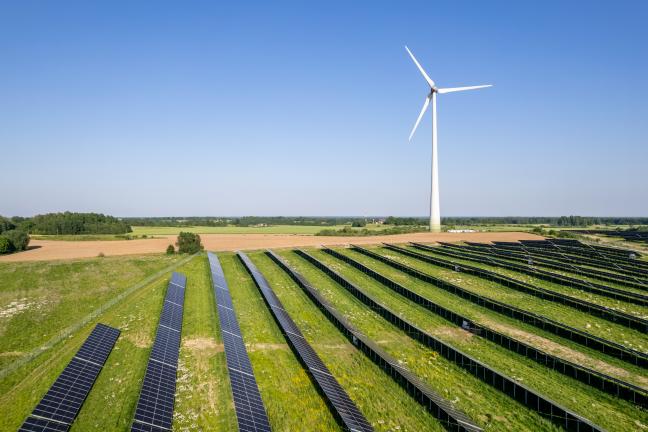
Throughout December, electricity prices across the Baltic region declined as strong winds significantly boosted wind power generation, particularly toward the end of the month. The holiday period in the second half of December reduced electricity demand, and combined with high wind output, this led to very low day-ahead market prices on several days.
The price decline was further supported by substantial electricity imports into the Baltic market, helping to maintain lower overall price levels.
Energy infrastructure upgrades progressing at full pace
A development concept has been prepared under which, by the end of 2026, electricity export capacity to Poland via the LitPol Link interconnection could reach up to 365 MWh, while import capacity may increase to 200 MWh.
At the same time, another key piece of Baltic–Polish energy infrastructure is being strengthened. As part of the Harmony Link project, five autotransformers are being procured. These initiatives demonstrate a clear and consistent preparation for higher cross-border electricity flows and the deeper integration of the Baltic region into the Continental European electricity market. Increased capacity and reinforced infrastructure are expected to help reduce price volatility and upward price risks in the longer term.
Price outlook for early 2026
Forecasts based on electricity wholesale futures contracts indicate that the average electricity price is expected to increase in January. By mid-January, prices are estimated at around EUR 144/MWh, although the month has not yet concluded.
Electricity consumption is rising due to colder weather conditions, while price dynamics are also influenced by balancing costs in the Baltic region and the shape of the futures price curve. Analysts note that increasing balancing costs are pushing the Baltic futures curve upward, reflecting the volumes of PPAs (Power Purchase Agreements) embedded in futures contracts between electricity producers and suppliers.
No major maintenance works on key cross-border interconnectors are scheduled for January, which may help keep prices close to current levels.