In October, the average electricity price in Latvia reached 105.06 EUR/MWh, which is 25% higher than in September. In October 2024, the electricity price was lower, amounting to 91.38 EUR/MWh. The lowest average daily price in October was 9.77 EUR/MWh (on October 5th), while the highest occurred just a few days later—291.14 EUR/MWh (on October 7th).
Key October Events in the Energy Sector
Interconnection Maintenance and Seasonality Impact Prices in the Baltics
In October, the average electricity price in Latvia and Lithuania increased by 25%, reaching 105.06 EUR/MWh. The price increase was primarily driven by seasonal factors—daylight hours decreased, and consequently, the output from solar power plants declined. Furthermore, maintenance work on electricity transmission lines in Estonia limited the ability to import cheaper electricity into Latvia. As a result, the market became more dependent on more expensive electricity generation sources during peak consumption hours.
In Estonia, where the maintenance took place, the price increase was smaller—only 10% compared to September, as cheaper imports from Finland were available during peak consumption hours.
With the start of the heating season and the growth in electricity consumption, electricity imports to the Baltic States continued to rise in October—up 13% compared to September. The largest increase was in imports from Finland, which grew by 38%. Electricity imports from Poland increased by 19%, while imports from Sweden decreased by 19%.
Wind Generation Takes Over from Solar Generation
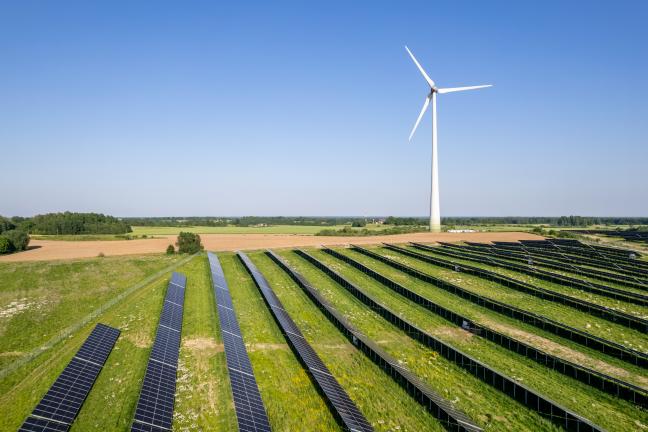
According to "Litgrid" data, the increased wind generation in October was the main factor that reduced electricity prices in the Baltic region. In the 43rd week of the year, the surge in wind generation lowered prices by approximately 38%. Price levels recovered in the 44th week due to colder weather and an increase in electricity demand. By the end of the month, wind generation increased again by 16%.
This dynamic indicates the high elasticity of the Baltic market and the significant impact of wind generation on short-term price fluctuations. Wind energy reduces the need for imports and increases the energy system's self-sufficiency.
November Month Forecasts
Current futures price forecasts suggest that the average electricity price in November could be slightly lower than in October, averaging closer to the level seen in September at around ~85 EUR/MWh. Electricity consumption is growing, and solar generation is decreasing, but increasing wind generation is balancing electricity prices. The main price background continues to be formed by the balancing costs of the Baltic states and the forward fixed contract curve. No major interconnection repairs are planned for November, so they should operate at full capacity.