In June, electricity exchange prices in the Baltic states continued to increase. In the Latvian bidding area, the average price reached EUR 92.23/MWh - 12% higher than in May and 114% higher than in June 2025.
Estonia maintained a lower price level, supported by its ability to meet part of its electricity demand through lower-cost imports from Finland. In contrast, electricity prices in Latvia and Lithuania were affected by more limited electricity availability and the need to rely on higher-priced marginal generation sources.
What drove the price increase?
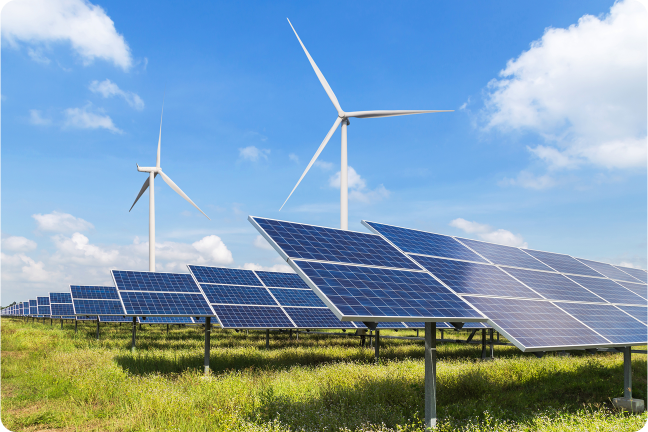
Overall electricity generation in Latvia declined across almost all generation sources, with the exception of solar power. In June, Latvia generated 495 GWh of electricity, which was 10% less than in May.
The increase in electricity prices was also driven by limited interconnection capacity and scheduled maintenance works. Transmission capacity between Latvia and Estonia was reduced by 122 MW during June, limiting access to lower-cost electricity imports from neighbouring countries.
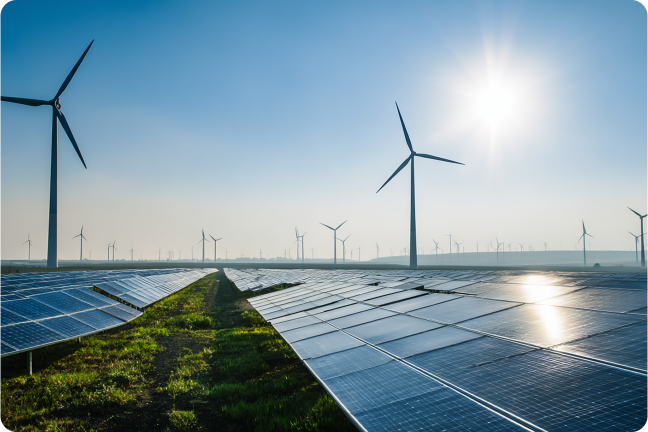
Wind power generation across the region fluctuated during the month; however, in Latvia it decreased by 46% compared to the previous month.
Outlook for the remainder of the summer
Electricity prices are expected to remain at a similar level over the coming weeks as they were in June and May. No significant price fluctuations are currently forecast. However, future price developments will continue to depend on weather conditions, electricity demand, generation levels and the global geopolitical situation.