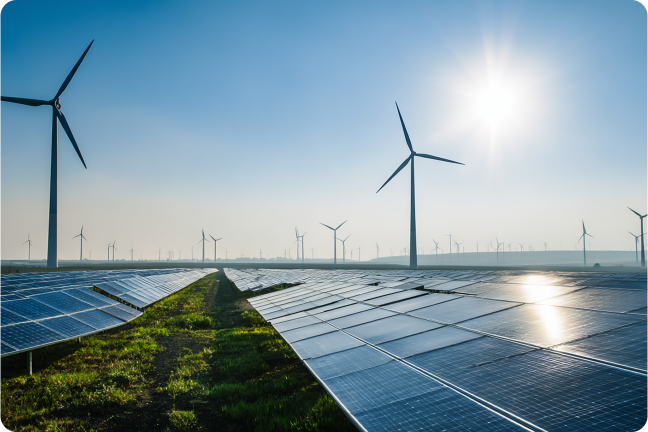
In April, the average electricity spot price in the Latvian bidding zone decreased significantly compared to March. This was mainly driven by a sharp increase in renewable energy (RES) generation and lower electricity demand due to warmer and brighter weather conditions. The average electricity price in Latvia fell to 57.45 EUR/MWh in April, representing a 23% decrease compared to March.
During April, intraday price volatility also increased notably. Prices during midday hours frequently approached zero, while during morning and evening peak demand hours they exceeded 90 EUR/MWh. High water levels in the Daugava River enabled strong output from the Daugava hydropower cascade, resulting in a large volume of relatively low-cost baseload electricity entering the market, which significantly reduced the average price in the Latvian bidding zone.
Solar generation also increased substantially. Longer and sunnier days supported a rapid rise in solar power production, and the combined installed capacity of solar power plants in Latvia and the Baltics was already sufficient to fully cover regional electricity demand during certain daytime hours. This created additional downward pressure on prices.
At the same time, utilisation of fossil-based generation decreased. Sufficient RES output allowed for significantly reduced operation of higher-cost natural gas cogeneration plants in the Baltics, which were mainly used for grid balancing and ensuring system stability during hours of low wind and solar generation.
Meanwhile, in May, the average electricity price has so far increased to approximately 85 EUR/MWh, which is notably higher than in April. However, it should be noted that the month is still ongoing, and price levels may stabilise in the coming weeks.