Price Dynamics and Key Influencing Factors
In August, the average electricity price in the Latvian price zone of Nord Pool was EUR 79.78/MWh. Compared with July, the price increased by 6%, while compared with August 2025, it was approximately 1% lower.
The Latvian price range in August was wide: the lowest daily price was EUR 9.65/MWh, while the highest was EUR 179.44/MWh. In individual 15-minute intervals, the price reached EUR 341.48/MWh, while the lowest 15-minute interval price was EUR 0/MWh. No negative electricity prices were recorded in the Baltic states in August.
The increase in electricity prices in the Baltics was influenced by broader trends in the European electricity market. In Europe, electricity prices reached their highest level of the year in August, driven, among other factors, by higher natural gas prices, heatwaves, increased electricity demand, and lower wind power generation. In the Baltics, price levels were additionally affected by drier weather conditions, which worsened the hydrological situation and reduced the generation potential of hydropower plants.
Consumption and Domestic Generation
Latvia's electricity consumption reached 603.6 GWh in August, which was 3.1% higher than in July and 6.5% higher than in August 2025. At the same time, the volume of electricity generated in Latvia and fed into the grid decreased to 368.1 GWh, which was 14% lower than in July. Domestic generation covered approximately 61% of Latvia's electricity consumption.
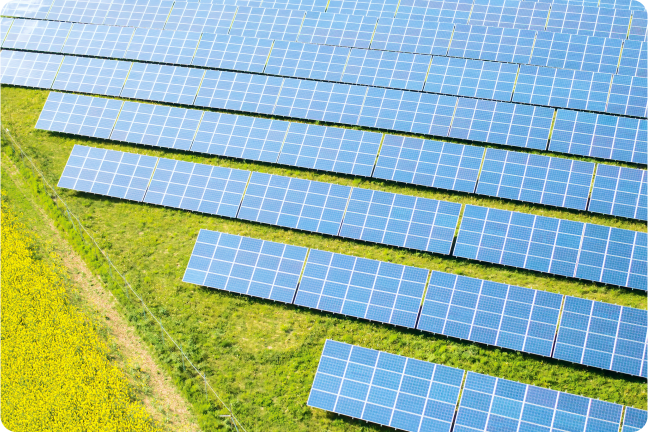
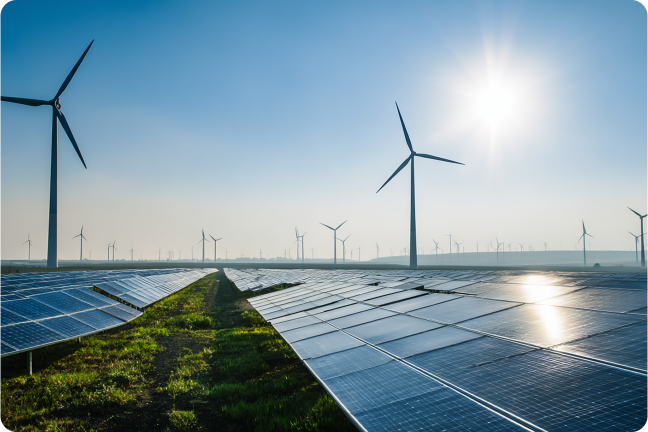
The largest source of domestic electricity generation in August was solar power plants, which generated 220.8 GWh, or nearly 60% of the total electricity generated in Latvia and fed into the grid. Solar power generation was more than twice as high as in August 2025.
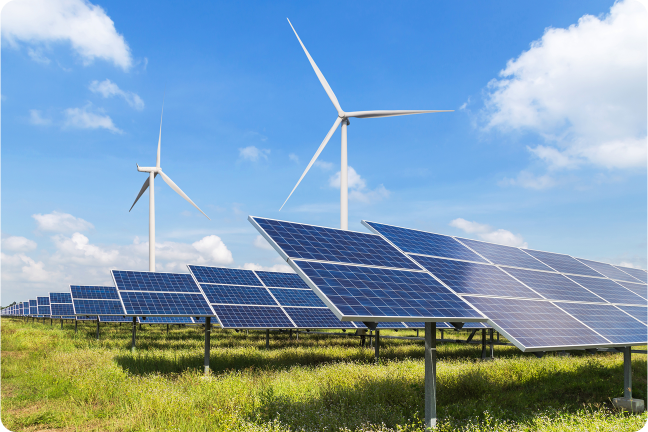
Hydropower plants generated 80.5 GWh, wind power plants 34.1 GWh, biomass power plants 13.6 GWh, biogas power plants 6.7 GWh, and natural gas power plants 4.5 GWh.
In August, electricity generation declined across several major generation technologies. The most significant decrease was recorded in hydropower generation, which fell by 33% to 80.5 GWh. Solar and wind power generation decreased by 6%, to 220.8 GWh and 34.1 GWh, respectively.
Cross-Border Interconnections
In August, 429.7 GWh of electricity was imported into Latvia's transmission grid, while 194.3 GWh was exported. Latvia's electricity balance deficit reached 235.5 GWh.
Total electricity imports from European Union countries into the Baltic states reached 800.2 GWh in August, an 8.7% increase compared with July. The largest share came from Finland, with 549.6 GWh, while 230.7 GWh was imported from Sweden and 19.9 GWh from Poland.
The increase in imports was mainly driven by higher electricity flows from Sweden. Meanwhile, imports from Finland and Poland decreased compared with July.
Forecast
Electricity price levels in autumn and winter are expected to be higher and more volatile than during the summer. However, the August data alone do not indicate a continuous upward trend in prices. At present, the average electricity price for September is forecast to be around EUR 100/MWh.
The key factors that could further increase electricity prices in autumn and winter include:
- lower solar power generation in autumn and winter;
- fluctuations in wind power generation;
- lower hydropower generation;
- higher electricity consumption during the heating season;
- higher natural gas prices;
- limited LNG availability in Europe;
- lower gas storage levels in Europe.
Weather conditions will also have a significant impact on electricity price dynamics during autumn and winter. Lower solar and hydropower generation, combined with insufficient wind generation, could increase the need for electricity generation from fossil fuels and for electricity imports.
At the same time, developments in the European natural gas market will remain an important factor. Higher gas prices, the availability of LNG supplies, and gas storage levels can directly affect electricity prices, as natural gas-fired power plants continue to have a significant influence on price formation in the European electricity market.
Therefore, during the autumn and winter period, electricity price dynamics will be particularly dependent on weather conditions, wind and hydropower generation, electricity demand, natural gas and LNG prices, and developments in the European energy markets.