In July, the average wholesale electricity price in the Latvian bidding zone was 74.95 EUR/MWh. This represents an 18.74% drop compared to June, yet remains 63% higher than a year ago in July 2025. This downward trend was consistent across the Baltics. The average price across the Baltic region stood at 64.91 EUR/MWh (−22.21% vs. June), with Lithuania at 75.86 EUR/MWh (−19.05%) and Estonia at 43.93 EUR/MWh (−31.79%).
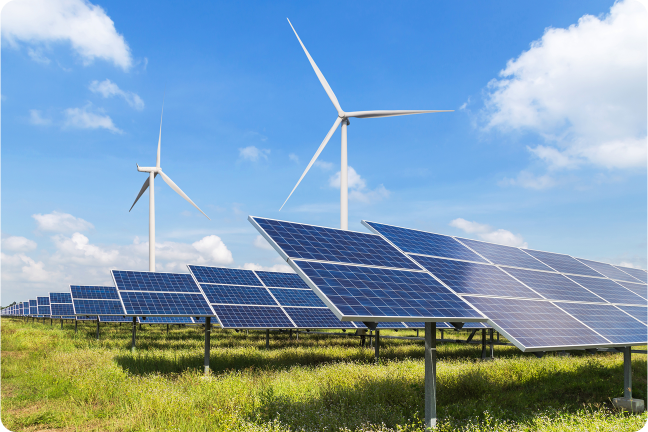
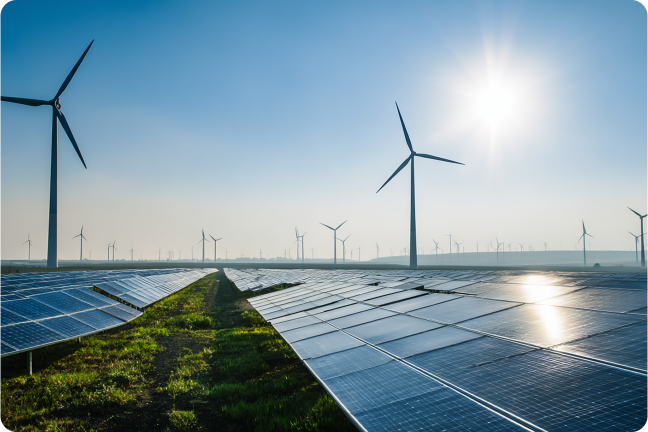
Paradoxically, the hot and dry European summer temporarily drove electricity prices as high as those typically seen in winter. Hydroelectric and nuclear power output declined, cooling system loads surged, and natural gas prices doubled compared to this past winter. The Baltic region was shielded from this broader price surge by robust solar and wind generation, which accounted for 73% of regional power production and covered 83% of total domestic demand. Estonia’s prices were driven down by lower rates in Finland (15.40 EUR/MWh, −66%), whereas Latvian and Lithuanian prices aligned more closely with Sweden’s southern bidding area (SE4).
Other key indicators for July: negative prices were not recorded in any of the 15-minute trading intervals in Latvia (compared to 25 instances in June); daily prices fluctuated between 17.63 and 131.70 EUR/MWh; and electricity imports into the Baltics from EU countries grew by 7% to 736 GWh, primarily driven by higher imports from Finland.
Over the coming months, a moderate price increase is expected relative to summer levels, though the primary uncertainty lies ahead in the heating season. There is currently no basis to project a steady price climb in the power market, as a scenario of high volatility is far more likely, characterized by intermittent price spikes alongside exceptionally low rates during sunny and windy hours. Recent Nord Pool exchange data clearly illustrates this volatility: in Latvia, the daily price was 36.59 EUR/MWh on August 11, jumping to 123.47 EUR/MWh on August 12.